Understanding the Influence of Cultural Background on Tarot Interpretations
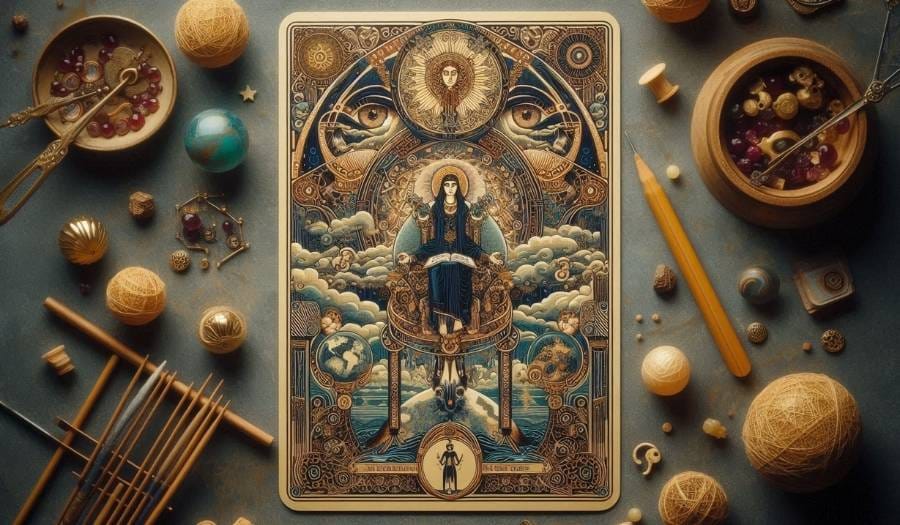
Understanding the Influence of Cultural Background on Tarot Interpretations
Tarot cards are universally recognized for their ability to provide insight into life's questions and challenges. However, the way individuals interpret these cards can be significantly influenced by their cultural background. Understanding the intersection between culture and tarot offers valuable perspectives on how personal history, traditions, and beliefs shape the messages conveyed during a reading.
Cultural Diversity in Tarot
While tarot is often seen as a universal tool for introspection, its interpretations vary across different cultures. The symbolism behind each card, its imagery, and its overall meaning can change depending on the reader’s cultural context. For instance, someone from a Western background may interpret the Chariot card as representing personal ambition and progress, while someone from an Eastern culture might emphasize the theme of balance and harmonious movement.
Tarot Decks: A Cultural Influence
The style and imagery of tarot decks can also reveal cultural influences. Traditional decks, like the Rider-Waite Tarot, are rooted in European Christian symbolism, with references to Western mythology and historical figures. However, in response to growing global interest in tarot, artists have created culturally specific decks that reflect various mythologies and belief systems. These decks, such as the Native American Tarot or African American Tarot, offer alternative lenses through which cards can be interpreted.
Cultural Beliefs and Tarot Card Meanings
The way individuals view the concept of fate, free will, and spiritual guidance often aligns with cultural teachings. For example, in cultures that emphasize the collective over the individual, tarot readings may focus more on relationships, community, or collective energies. Conversely, in cultures where personal empowerment is emphasized, the interpretation may lean toward individual growth and self-determination.
In addition to this, some tarot readers from different cultural backgrounds may incorporate elements from their cultural practices. For example, a tarot reader influenced by shamanism might interpret the Hermit card as a time of introspective spiritual journey, while someone with a Buddhist background might see it as an opportunity for enlightenment or self-awareness.
The Role of Tarot Readers
The background of a tarot reader plays a crucial role in shaping their interpretations. A reader’s cultural background, education, and life experiences contribute to how they interpret the meanings behind the cards. For example, a reader raised in a more mystically inclined tradition may interpret a Death card as a transformation or a positive ending, while someone with a more scientific or skeptical view might see it as merely a warning of significant change.
How to Approach Tarot Across Cultures
When approaching tarot readings, it’s essential to be open-minded and respectful of cultural differences. Understanding the reader's cultural lens and the historical significance of the deck can provide a richer, more insightful reading experience. If you’re new to tarot, it’s a good idea to learn about the history and cultural diversity of tarot decks, so you can better understand how interpretations may vary.
Conclusion
Tarot interpretations are deeply personal, and cultural influences play a significant role in how individuals understand and apply the symbolism of tarot cards. Whether you are a tarot enthusiast or a first-time reader, recognizing the influence of culture can enrich your reading experience, offering new layers of understanding. As you continue to explore tarot, keep in mind that there’s no single "right" way to interpret the cards—each culture offers a unique and valuable perspective.
Hi, I am Monica Mahtani
Leading Tarot Coach and Tarot Card Reader, On a Mission to Help You Become More Prosperous with the Power of Tarot Cards.



Desi Tarot Hub - Become A High Earning Tarot Card Reader with Monica Mahtani
Powered by Suniltams